News Center
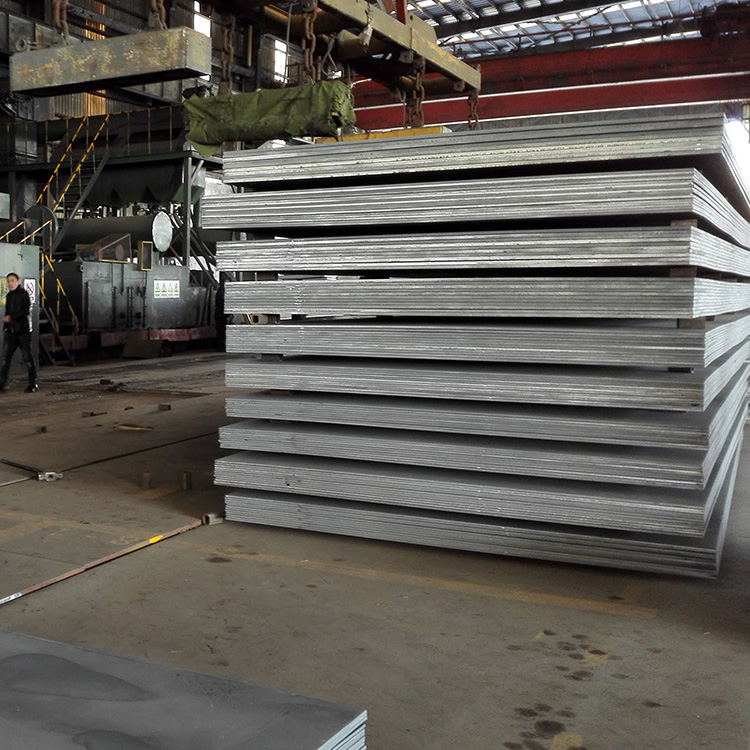
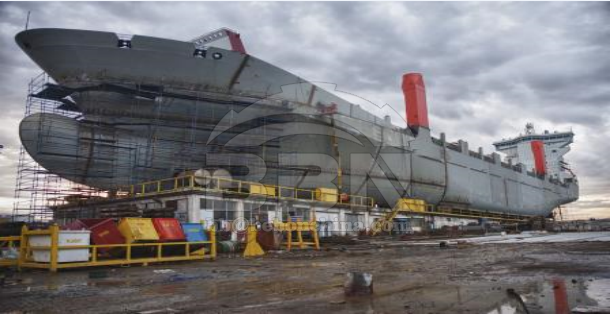
D36 steel is considered for marine structural applications where the specified mechanical properties meet the requirements of the vessel design. Like other carbon and shipbuilding structural steels, its long-term service condition depends on proper corrosion protection, regular inspection, and timely maintenance. Exposure to seawater, salt spray, humidity, and mechanical damage can gradually affect unprotected steel surfaces.
Corrosion Protection for D36 Steel Structures
Protective coatings are an important part of marine steel maintenance. Depending on the vessel's operating environment, coating systems may include epoxy primers, intermediate protective layers, and marine-grade finishing paints.
Different parts of a vessel require different protection arrangements. External hull surfaces, internal compartments, deck structures, and areas exposed to frequent water contact may experience different corrosion conditions. The coating system should therefore be selected according to the vessel's design specifications and applicable marine standards.
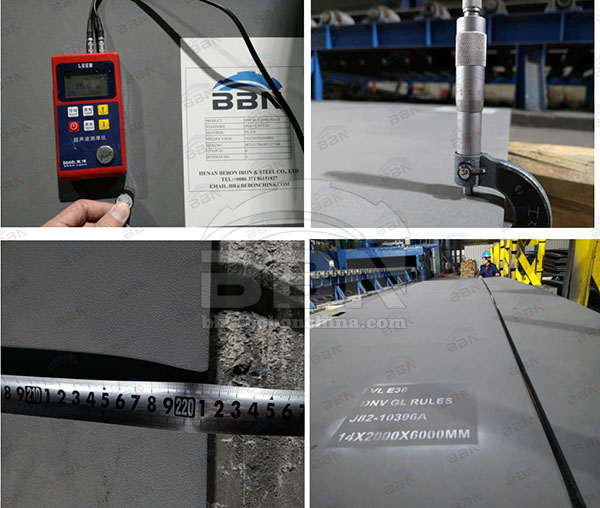
Before coating application, the D36 steel surface must be properly prepared. Removing rust, mill scale, oil, and other contaminants helps improve coating adhesion. Surface cleanliness and coating thickness should be checked against the relevant project requirements.
Inspection and Maintenance During Service
Routine inspection helps identify early signs of corrosion and coating deterioration. Particular attention should be given to welded joints, structural connections, plate edges, and areas where moisture may accumulate.
Typical maintenance activities include:
Checking for coating cracks, peeling, blistering, and mechanical damage.
Identifying localized rust and assessing the affected steel surface.
Cleaning and preparing damaged areas before applying repair coatings.
Inspecting drainage and ventilation to reduce prolonged moisture exposure.
Maintenance records also help ship operators monitor recurring corrosion locations and plan future repair work more effectively.
Factors Affecting Long-Term Durability
The durability of D36 steel structures depends on several factors, including material specification, plate thickness, structural design, operating conditions, and maintenance quality.
For vessels operating in low-temperature environments or demanding offshore conditions, the required toughness, strength, and classification approval must be verified against the applicable design standards. A material designation alone does not establish suitability for every marine application.
D36 steel can provide dependable service when its certified properties match the intended structural requirements. Combining suitable protective coatings, careful inspection, and planned maintenance helps control corrosion-related deterioration and supports the long-term serviceability of marine steel structures.
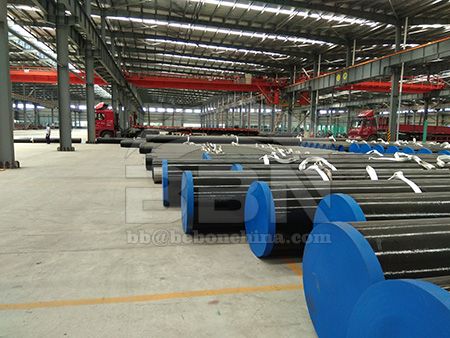
GB T 5312 Carbon and carbon-manganese steel seamless steel tubes and pipes are mainly for ship use, also known as shipbuilding steel pipes. Under GB T 5312, there are mainly 5 steel grades: grade 320, 360, 410, 460 and 490. Each grade covers three levels: I, II, III.
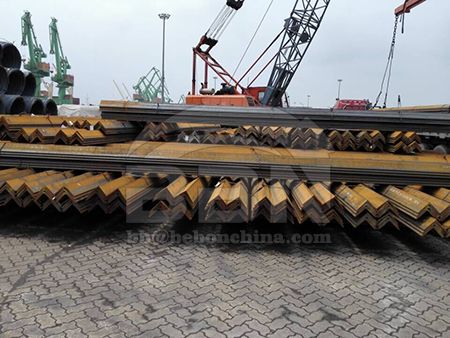
Angle steel, commonly known as angle iron, is a long strip of steel whose sides are perpendicular to each other. There are equal angle steels and unequal angle steels. The two sides of equal angle steel are equal in width. The unequal angle steel is also known as L shape profile steel.
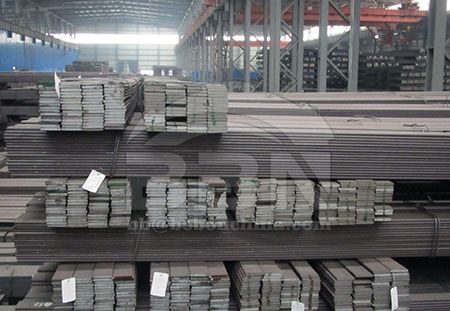
Flat bar steel can be produced according to the user's needs, with fixed thickness, width and length. It can reduce the cutting process for users, reduce the consumption of labor and materials, and also reduce the processing loss of raw materials.
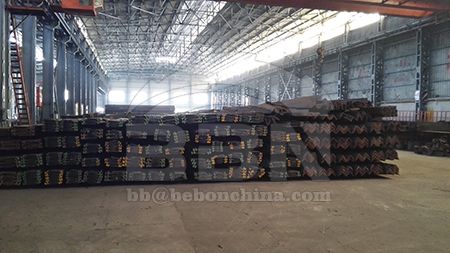
Bulb flat steel for shipbuilding
The bulb flat steel is a kind of medium section material which is mainly used in the field of shipbuilding and bridge building, and the shipbuilding bulb flat steel is an auxiliary medium section material for shipbuilding.
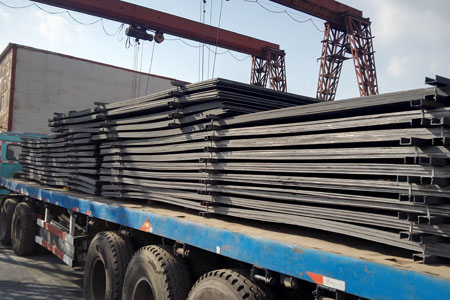
The steel for shipbuilding and oil platform---FH40, is the high tensile strength steel.The shipbuilding steel FH40 is the Hull structural steel.We can provide FH40 shipbuilding steel plate price.
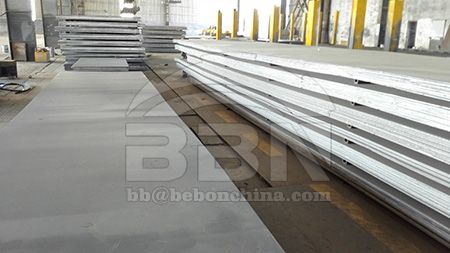
The steel for shipbuilding and oil platform---EH40, is the high tensile strength steel.The shipbuilding steel EH40 is the Hull structural steel.We can provide EH40 shipbuilding steel plate price.
If you are interested in our company or products, welcome to visit our company or local offices; you can also get contact with us through online consulting, demand table submission, e-mails and telephones. Our staff shall wholeheartedly provide product information, application knowledge and good service for you.


 BBN SHIP STEEL FACTORY