News Center
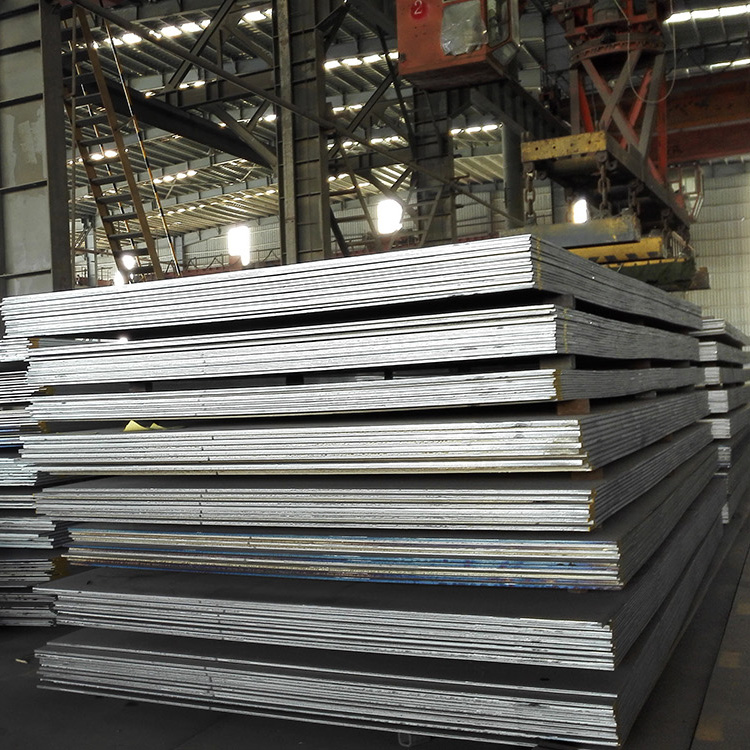
DH36 steel is widely selected for shipbuilding projects that require a combination of high structural strength, impact resistance, and reliable fabrication performance. It is particularly suitable for vessels exposed to heavy cargo loads, continuous wave impact, and demanding operating environments. Its mechanical properties make it a practical material choice for ship hull structures, deck assemblies, bulkheads, and other critical marine components.
Applications in Heavy-Duty Marine Structures
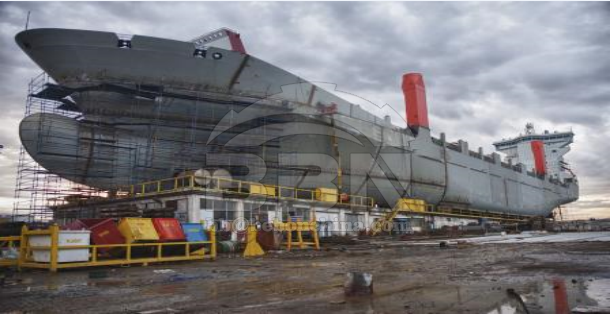
In cargo ships, tankers, offshore support vessels, and other large marine structures, steel plates must withstand considerable mechanical stress throughout their service life. DH36 steel is commonly used in hull plating, main decks, longitudinal structural members, and transverse bulkheads where higher strength is required.
For heavy-duty vessels, structural components are subject to complex loading conditions, including cargo pressure, bending forces, vibration, and repeated wave loading. Using DH36 steel in appropriately designed structural sections helps maintain the overall strength and stability of the vessel while supporting efficient weight management.
Its low-temperature impact toughness also makes it suitable for marine structures operating in colder environments. The ability to maintain toughness under specified low-temperature testing conditions is particularly important for vessels navigating cold waters or experiencing significant temperature variations.
Welding, Cutting, and Fabrication
Shipbuilding involves extensive steel processing, from plate preparation to the assembly of large hull sections. DH36 steel offers good weldability and can be processed using commonly adopted shipyard fabrication methods.
Typical operations include plasma or oxy-fuel cutting, edge preparation, bending, drilling, and welding. For large structural assemblies, appropriate welding procedures are essential to control heat input, prevent excessive distortion, and maintain the required mechanical properties around welded joints.
When processing thicker plates or fabricating complex structural sections, manufacturers should consider the steel thickness, welding consumables, joint design, and applicable fabrication standards. Proper control throughout these operations contributes to dimensional accuracy and structural integrity.
Material Certification and Quality Inspection
Quality assurance is essential when supplying DH36 steel for marine engineering projects. Depending on the project requirements, plates may need approval and certification from classification societies such as ABS, DNV, LR, BV, or CCS.
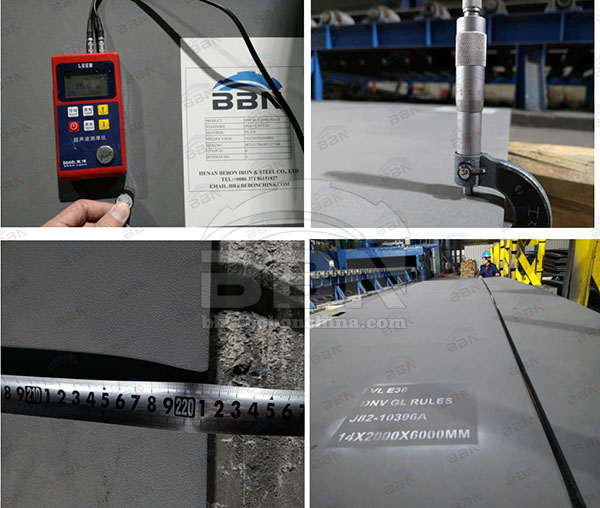
Inspection requirements typically include chemical composition analysis, tensile testing, impact testing, dimensional verification, and additional non-destructive testing where specified. Mill Test Certificates (MTCs) provide traceability and confirm that the supplied material meets the relevant technical requirements.
Buyers should clearly specify the required classification society, plate thickness, dimensions, impact testing temperature, and inspection documentation during the procurement process.
DH36 Steel Plate Supply for Shipbuilding
For shipyards, marine contractors, and offshore engineering companies, a dependable DH36 steel plate supply helps maintain production schedules and project quality. Plates can be supplied in different thicknesses and dimensions according to individual construction requirements.
Additional services, including cutting, beveling, drilling, and customized steel processing, can further simplify fabrication and reduce material preparation work at shipyards.
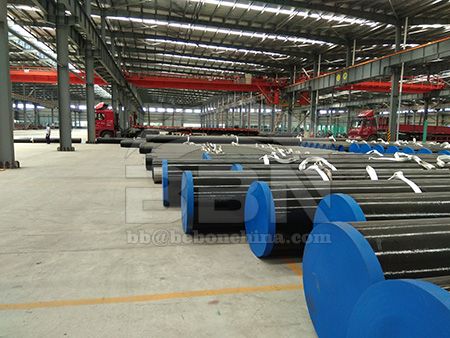
GB T 5312 Carbon and carbon-manganese steel seamless steel tubes and pipes are mainly for ship use, also known as shipbuilding steel pipes. Under GB T 5312, there are mainly 5 steel grades: grade 320, 360, 410, 460 and 490. Each grade covers three levels: I, II, III.
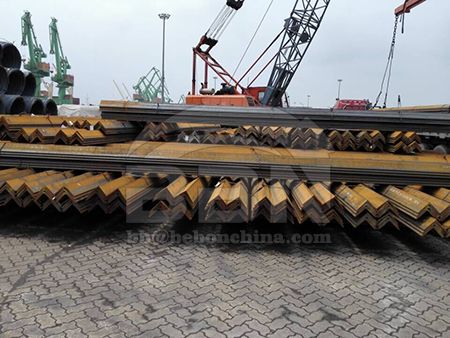
Angle steel, commonly known as angle iron, is a long strip of steel whose sides are perpendicular to each other. There are equal angle steels and unequal angle steels. The two sides of equal angle steel are equal in width. The unequal angle steel is also known as L shape profile steel.
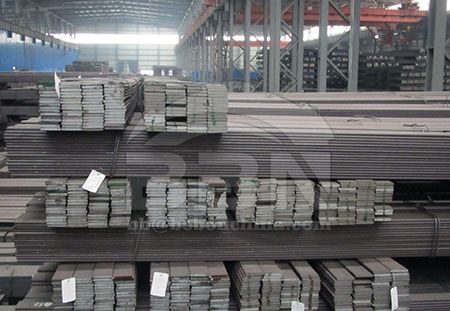
Flat bar steel can be produced according to the user's needs, with fixed thickness, width and length. It can reduce the cutting process for users, reduce the consumption of labor and materials, and also reduce the processing loss of raw materials.
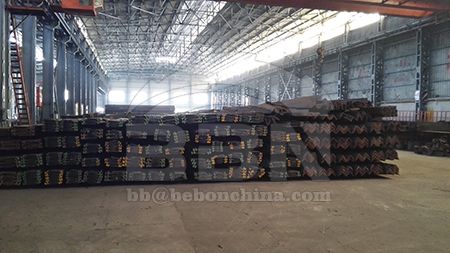
Bulb flat steel for shipbuilding
The bulb flat steel is a kind of medium section material which is mainly used in the field of shipbuilding and bridge building, and the shipbuilding bulb flat steel is an auxiliary medium section material for shipbuilding.
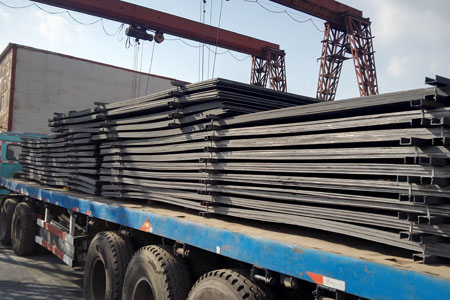
The steel for shipbuilding and oil platform---FH40, is the high tensile strength steel.The shipbuilding steel FH40 is the Hull structural steel.We can provide FH40 shipbuilding steel plate price.
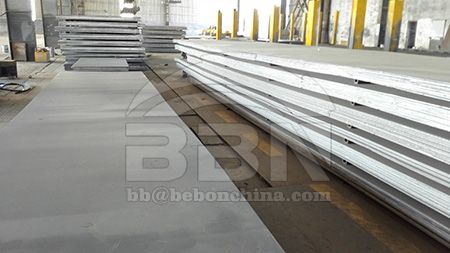
The steel for shipbuilding and oil platform---EH40, is the high tensile strength steel.The shipbuilding steel EH40 is the Hull structural steel.We can provide EH40 shipbuilding steel plate price.
If you are interested in our company or products, welcome to visit our company or local offices; you can also get contact with us through online consulting, demand table submission, e-mails and telephones. Our staff shall wholeheartedly provide product information, application knowledge and good service for you.


 BBN SHIP STEEL FACTORY