News Center
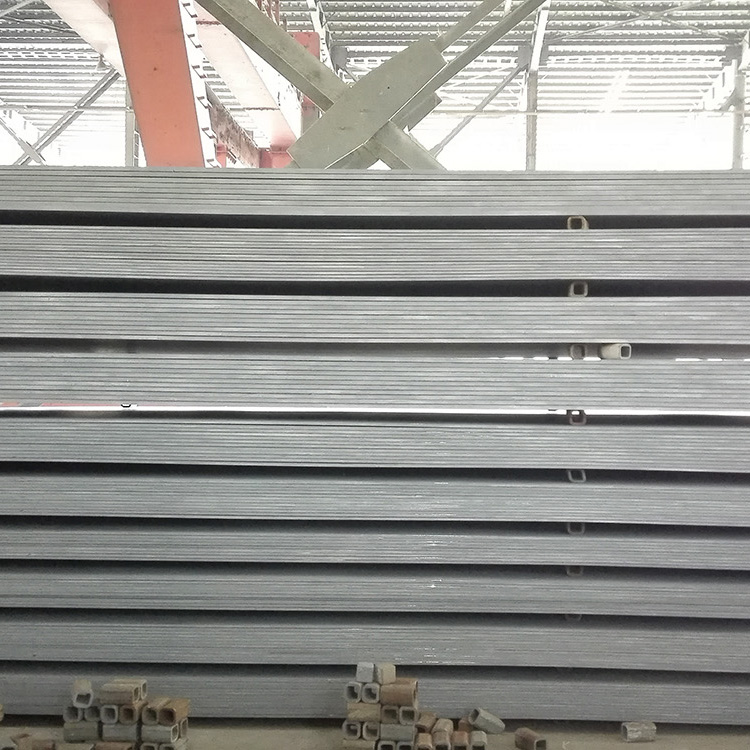
Steel materials play an essential role in global engineering projects, from industrial manufacturing to infrastructure development and marine construction. E36 steel is a designation used in certain material specifications, and its suitability for different applications depends on the exact standard, mechanical properties, and product requirements.
Applications Across Engineering Industries
Depending on its confirmed specification, E36 steel may be considered for structural components and fabricated assemblies in engineering projects. Potential applications include equipment frames, industrial support structures, machinery bases, and selected infrastructure components.
In marine engineering, material selection requires additional attention to classification requirements, toughness, and operating conditions. A steel grade intended for general structural fabrication should not automatically be treated as an approved shipbuilding or offshore structural grade.
For heavy manufacturing, the material's verified mechanical properties and processing characteristics determine whether it is suitable for specific load-bearing components. Engineers must evaluate the complete design rather than relying on the grade designation alone.
International Procurement and Supply Chain Requirements
Global engineering projects often involve buyers, steel producers, fabricators, and contractors operating in different countries. Consistent material documentation is therefore important for international procurement.
Purchasers typically need to confirm the applicable product standard, steel grade, thickness, dimensions, delivery condition, and inspection requirements. Mill test certificates provide essential information for checking whether the supplied material matches the purchase specification.
When materials are sourced across international markets, equivalent-grade substitution should be handled carefully. Similar grade names do not necessarily indicate identical chemical composition, mechanical properties, or certification requirements. Technical approval should be obtained before replacing the specified material.
Cost Efficiency and Project Planning
Material cost is only one part of the total project budget. Processing efficiency, transportation, fabrication requirements, inspection, and material availability can also influence procurement decisions.
Selecting a steel grade that meets the engineering requirements without unnecessary overspecification can help improve cost control. Reliable documentation and clear purchasing specifications also reduce the risk of delays caused by material discrepancies or additional inspection.
Outlook for Engineering Applications
Infrastructure expansion, industrial equipment manufacturing, energy projects, and transportation development continue to create demand for a wide range of structural steel products.
The future market position of E36 steel will depend on the specific standard under which it is supplied, its technical suitability, and the requirements of individual projects. For international buyers, accurate grade identification, verified material properties, and dependable supply documentation remain essential factors in successful steel procurement.
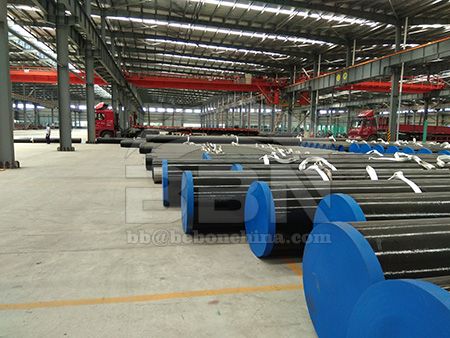
GB T 5312 Carbon and carbon-manganese steel seamless steel tubes and pipes are mainly for ship use, also known as shipbuilding steel pipes. Under GB T 5312, there are mainly 5 steel grades: grade 320, 360, 410, 460 and 490. Each grade covers three levels: I, II, III.
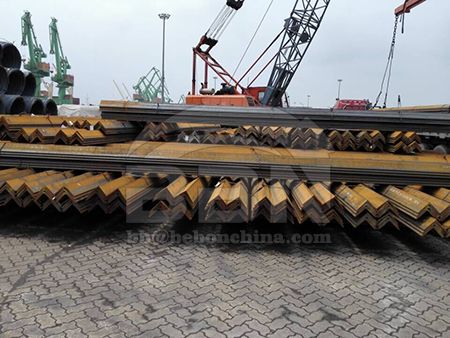
Angle steel, commonly known as angle iron, is a long strip of steel whose sides are perpendicular to each other. There are equal angle steels and unequal angle steels. The two sides of equal angle steel are equal in width. The unequal angle steel is also known as L shape profile steel.
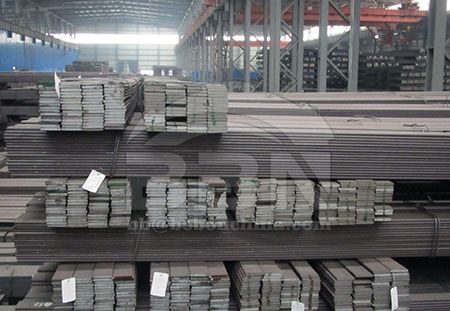
Flat bar steel can be produced according to the user's needs, with fixed thickness, width and length. It can reduce the cutting process for users, reduce the consumption of labor and materials, and also reduce the processing loss of raw materials.
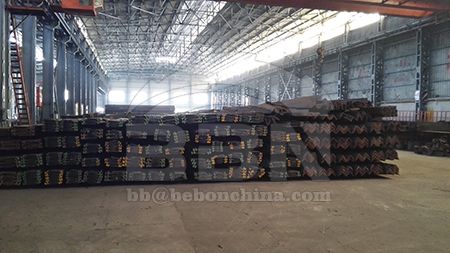
Bulb flat steel for shipbuilding
The bulb flat steel is a kind of medium section material which is mainly used in the field of shipbuilding and bridge building, and the shipbuilding bulb flat steel is an auxiliary medium section material for shipbuilding.
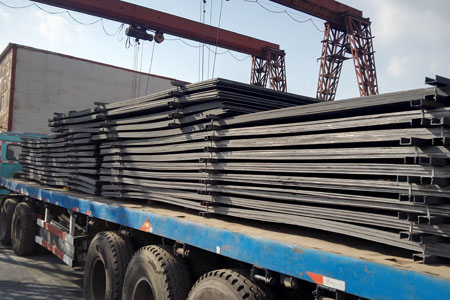
The steel for shipbuilding and oil platform---FH40, is the high tensile strength steel.The shipbuilding steel FH40 is the Hull structural steel.We can provide FH40 shipbuilding steel plate price.
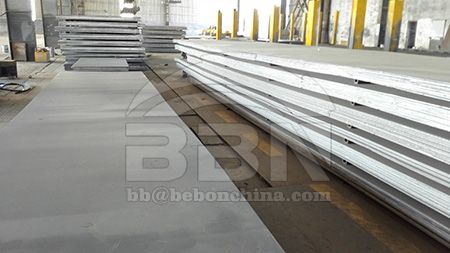
The steel for shipbuilding and oil platform---EH40, is the high tensile strength steel.The shipbuilding steel EH40 is the Hull structural steel.We can provide EH40 shipbuilding steel plate price.
If you are interested in our company or products, welcome to visit our company or local offices; you can also get contact with us through online consulting, demand table submission, e-mails and telephones. Our staff shall wholeheartedly provide product information, application knowledge and good service for you.


 BBN SHIP STEEL FACTORY