News Center
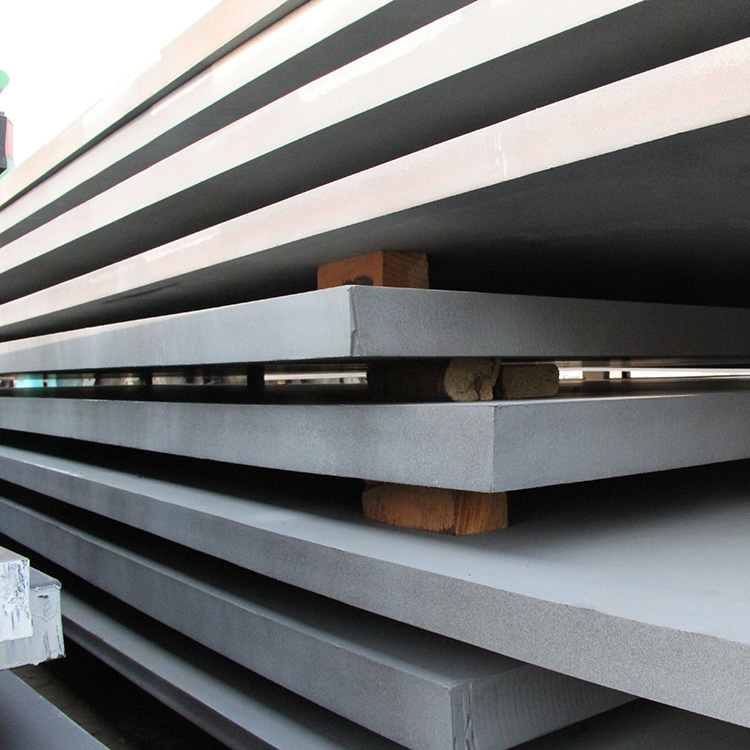
Dimensional accuracy is an important factor in shipbuilding because individual steel components must fit together according to the vessel's engineering drawings. For S275G steel plate, effective dimensional control begins with material verification and continues through cutting, forming, inspection, and component identification.
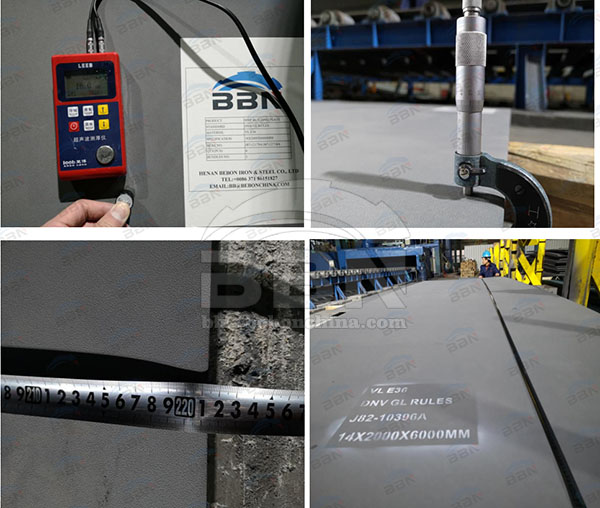
Before processing, plate dimensions and material markings should be checked against the purchase specification and production documents. Confirming the plate thickness, grade designation, and required traceability helps prevent incorrect materials from entering the fabrication sequence.
During cutting, the selected method and equipment settings should reflect the plate thickness, profile complexity, and required edge quality. CNC cutting systems can produce repeatable component shapes, while suitable conventional methods may be used for less complex profiles. Cutting allowances should account for the subsequent operations and the dimensional tolerances specified by the drawings.
Forming operations require particular attention when S275G steel plate is used to produce curved or shaped components. The target radius, plate dimensions, and forming equipment determine the appropriate processing approach. Measurements taken during forming can help identify deviations before they affect the finished component.
Inspection should focus on the characteristics that matter to the next manufacturing stage. These may include overall dimensions, hole positions, edge conditions, flatness, and the geometry of formed sections. Recording inspection results also supports traceability and helps identify recurring production issues.
For prefabricated ship sections, component identification is equally important. Clearly marked parts can be matched with the relevant drawings and assembly sequence, reducing the risk of misplaced components and unnecessary handling. Proper storage and transport further help prevent deformation or damage before installation.
Material verification, dimensional inspection, traceability, and handling all contribute to consistent production quality. Processing parameters and acceptance criteria should be established according to the actual material specification, approved drawings, and project quality plan.
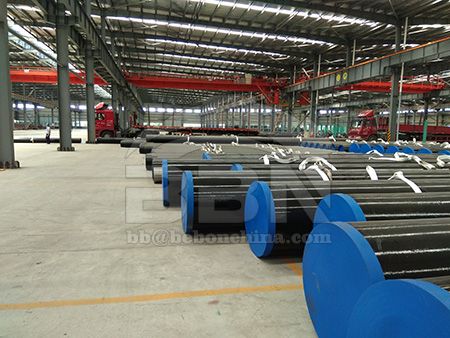
GB T 5312 Carbon and carbon-manganese steel seamless steel tubes and pipes are mainly for ship use, also known as shipbuilding steel pipes. Under GB T 5312, there are mainly 5 steel grades: grade 320, 360, 410, 460 and 490. Each grade covers three levels: I, II, III.
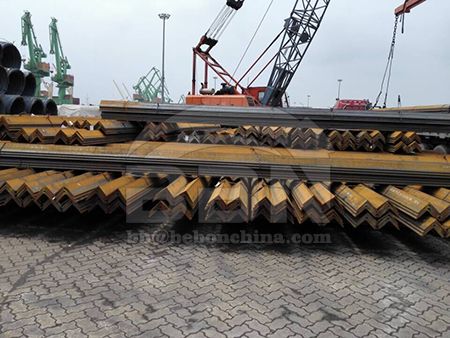
Angle steel, commonly known as angle iron, is a long strip of steel whose sides are perpendicular to each other. There are equal angle steels and unequal angle steels. The two sides of equal angle steel are equal in width. The unequal angle steel is also known as L shape profile steel.
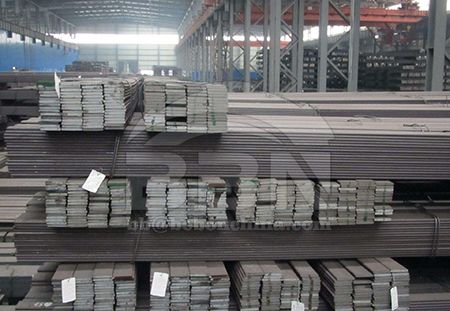
Flat bar steel can be produced according to the user's needs, with fixed thickness, width and length. It can reduce the cutting process for users, reduce the consumption of labor and materials, and also reduce the processing loss of raw materials.
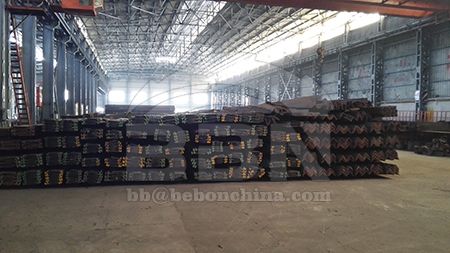
Bulb flat steel for shipbuilding
The bulb flat steel is a kind of medium section material which is mainly used in the field of shipbuilding and bridge building, and the shipbuilding bulb flat steel is an auxiliary medium section material for shipbuilding.
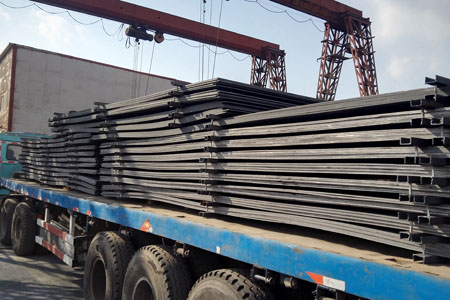
The steel for shipbuilding and oil platform---FH40, is the high tensile strength steel.The shipbuilding steel FH40 is the Hull structural steel.We can provide FH40 shipbuilding steel plate price.
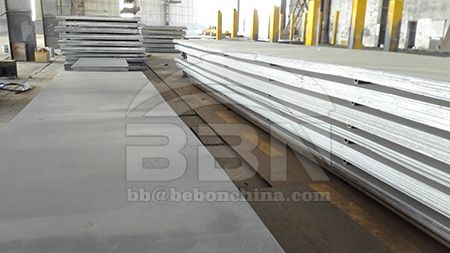
The steel for shipbuilding and oil platform---EH40, is the high tensile strength steel.The shipbuilding steel EH40 is the Hull structural steel.We can provide EH40 shipbuilding steel plate price.
If you are interested in our company or products, welcome to visit our company or local offices; you can also get contact with us through online consulting, demand table submission, e-mails and telephones. Our staff shall wholeheartedly provide product information, application knowledge and good service for you.


 BBN SHIP STEEL FACTORY