News Center
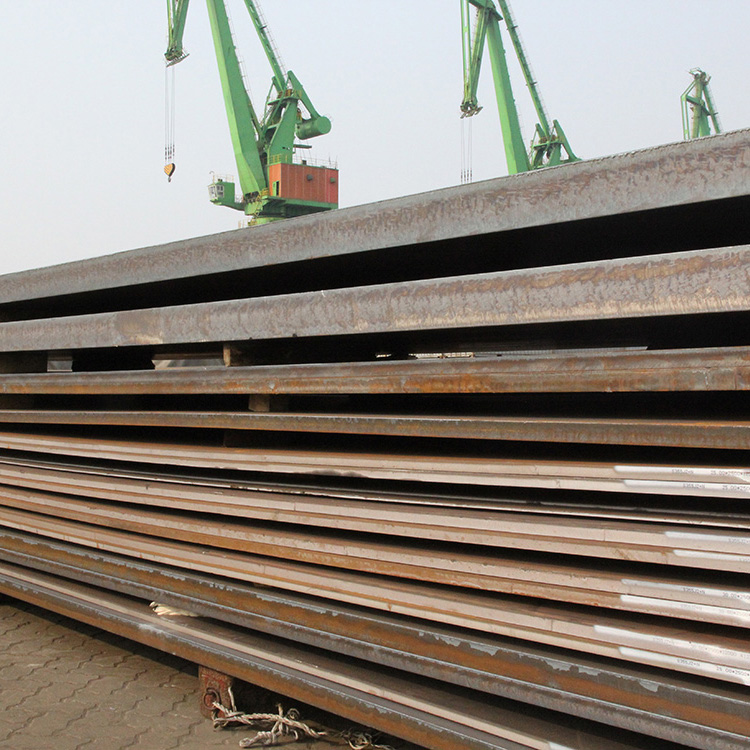
Welding quality depends on the coordination of material specifications, joint preparation, consumable selection, and process control. When S275G steel is specified for a marine engineering project, the welding procedure must be established according to the material standard and the requirements of the intended structure.
Depending on the approved procedure and product specification, suitable welding processes may include shielded metal arc welding and mechanized arc welding methods. The selection of a process for S275G steel plate should take into account plate thickness, joint geometry, welding position, production conditions, and the required mechanical properties of the completed joint.
Preheating requirements should be assessed for the specific application rather than determined by thickness alone. Material condition, chemical composition, joint restraint, ambient temperature, and hydrogen control can all influence the procedure. Where preheating is required, the specified temperature should be maintained throughout the relevant welding operations. Heat input and interpass temperature should also remain within the approved limits.
Joint preparation plays an equally important role. Clean surfaces, accurate edge preparation, and appropriate root gaps help establish consistent welding conditions. During assembly, correct positioning and a planned welding sequence can reduce distortion and help maintain the dimensional accuracy of the completed structure.
For larger assemblies, inspection should be incorporated into the production process rather than postponed until all work is complete. Visual examination and other applicable nondestructive testing methods can identify defects that require correction before the component advances to the next production stage.
In shipbuilding and marine fabrication, S275G steel welding should follow an approved welding procedure supported by appropriate material documentation. The applicable standard, classification requirements, and project specifications must be checked before the material is selected for a particular structural application. This approach helps maintain consistent joint quality while reducing unnecessary rework during fabrication.
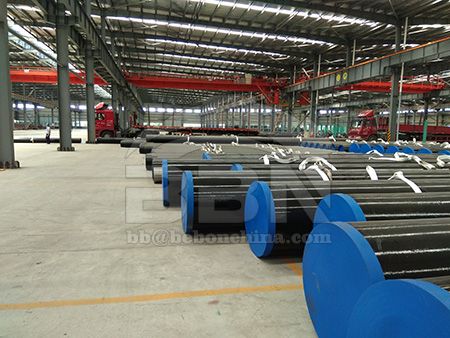
GB T 5312 Carbon and carbon-manganese steel seamless steel tubes and pipes are mainly for ship use, also known as shipbuilding steel pipes. Under GB T 5312, there are mainly 5 steel grades: grade 320, 360, 410, 460 and 490. Each grade covers three levels: I, II, III.
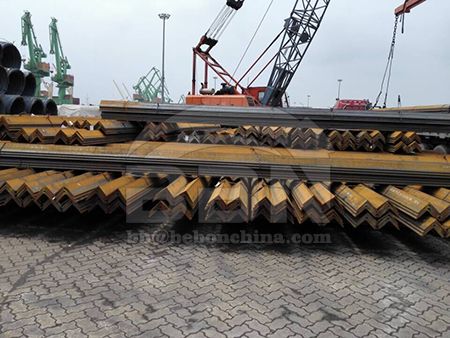
Angle steel, commonly known as angle iron, is a long strip of steel whose sides are perpendicular to each other. There are equal angle steels and unequal angle steels. The two sides of equal angle steel are equal in width. The unequal angle steel is also known as L shape profile steel.
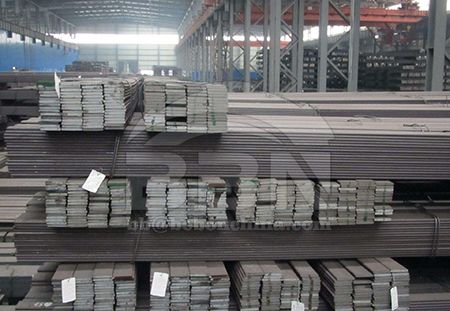
Flat bar steel can be produced according to the user's needs, with fixed thickness, width and length. It can reduce the cutting process for users, reduce the consumption of labor and materials, and also reduce the processing loss of raw materials.
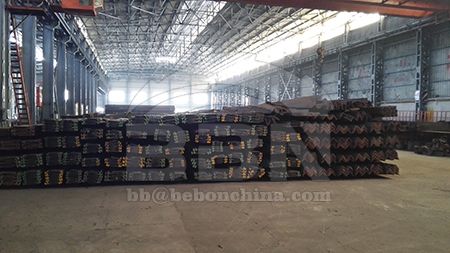
Bulb flat steel for shipbuilding
The bulb flat steel is a kind of medium section material which is mainly used in the field of shipbuilding and bridge building, and the shipbuilding bulb flat steel is an auxiliary medium section material for shipbuilding.
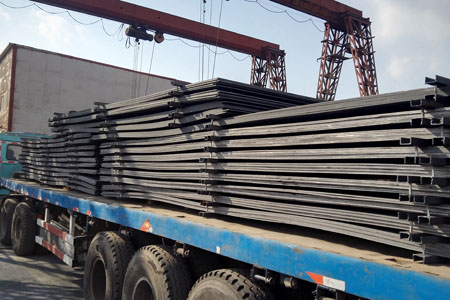
The steel for shipbuilding and oil platform---FH40, is the high tensile strength steel.The shipbuilding steel FH40 is the Hull structural steel.We can provide FH40 shipbuilding steel plate price.
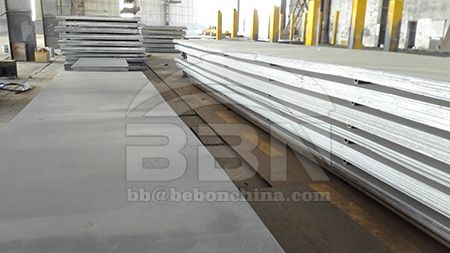
The steel for shipbuilding and oil platform---EH40, is the high tensile strength steel.The shipbuilding steel EH40 is the Hull structural steel.We can provide EH40 shipbuilding steel plate price.
If you are interested in our company or products, welcome to visit our company or local offices; you can also get contact with us through online consulting, demand table submission, e-mails and telephones. Our staff shall wholeheartedly provide product information, application knowledge and good service for you.


 BBN SHIP STEEL FACTORY