News Center
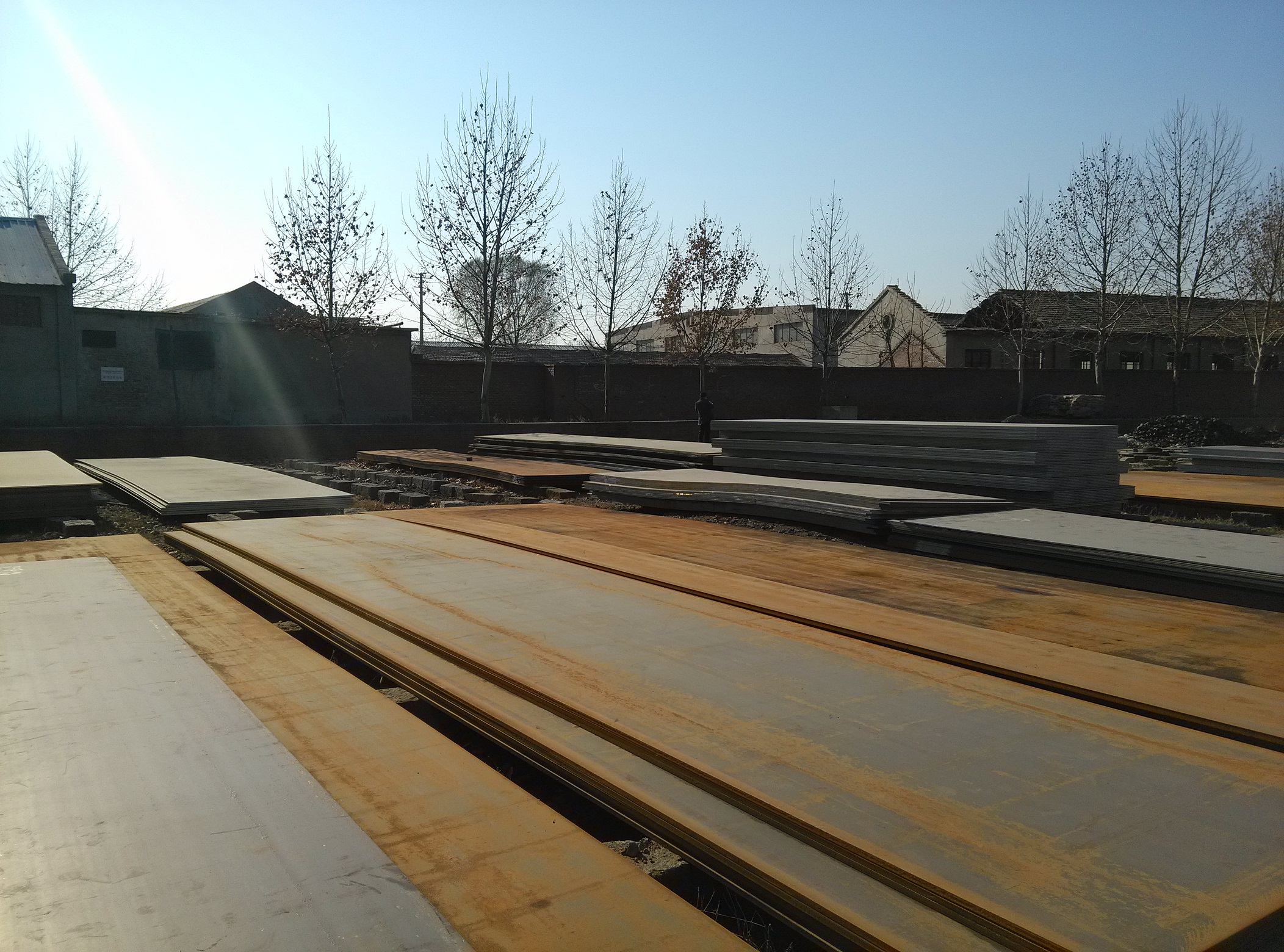
Marine vessels operating in cold regions face some of the most extreme environmental challenges, including sub-zero temperatures, ice impact, and brittle fracture risk. AH36 steel is widely used in such demanding applications due to its outstanding low-temperature toughness and stable mechanical performance under harsh Arctic and sub-Arctic conditions.
A key characteristic of AH36 steel is its ability to maintain ductility at extremely low temperatures, often down to -40°C. This property is essential for preventing brittle fracture, which can lead to catastrophic structural failure in icy waters. Unlike conventional structural steels, AH36 steel retains impact resistance even when exposed to rapid temperature fluctuations, making it highly reliable for polar operations.
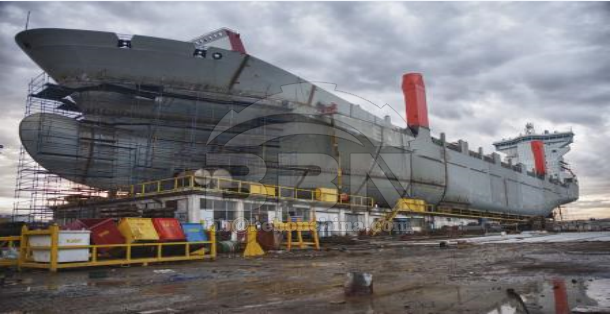
In ice-class vessels, such as Arctic supply ships, offshore support vessels, and research ships, AH36 steel is frequently used in hull structures, bow reinforcement zones, and ice belt areas. These sections experience direct ice impact and require materials that can absorb sudden loads without cracking. The steel's toughness ensures safe operation in ice-infested waters and improves vessel survivability.
Another important advantage is its excellent weldability in low-temperature fabrication environments. Shipyards constructing Arctic vessels must ensure that welded joints remain strong and defect-free despite challenging conditions. AH36 steel allows for stable welding performance, minimizing residual stress and reducing the risk of weld-related failures.
The steel's structural consistency also supports complex hull geometries required for ice navigation efficiency. Designers can shape hulls with optimized ice-breaking profiles while maintaining structural reliability throughout the vessel.
Moreover, AH36 steel meets strict classification requirements for cold-region operation, including standards set by DNV and ABS for ice-class certification. This ensures that vessels built with AH36 steel comply with international safety regulations for Arctic navigation.
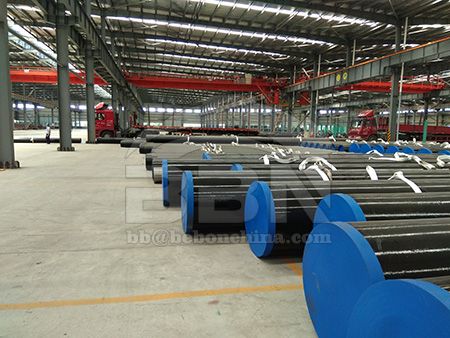
GB T 5312 Carbon and carbon-manganese steel seamless steel tubes and pipes are mainly for ship use, also known as shipbuilding steel pipes. Under GB T 5312, there are mainly 5 steel grades: grade 320, 360, 410, 460 and 490. Each grade covers three levels: I, II, III.
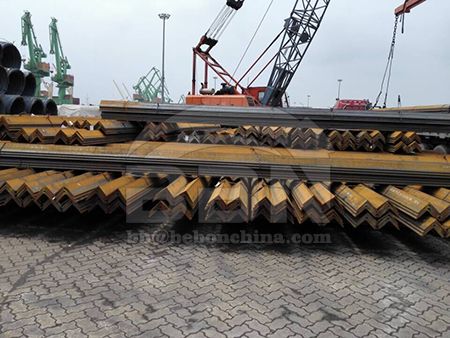
Angle steel, commonly known as angle iron, is a long strip of steel whose sides are perpendicular to each other. There are equal angle steels and unequal angle steels. The two sides of equal angle steel are equal in width. The unequal angle steel is also known as L shape profile steel.
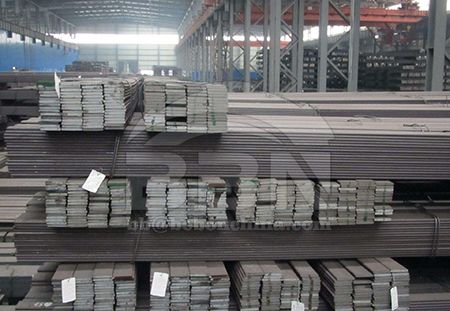
Flat bar steel can be produced according to the user's needs, with fixed thickness, width and length. It can reduce the cutting process for users, reduce the consumption of labor and materials, and also reduce the processing loss of raw materials.
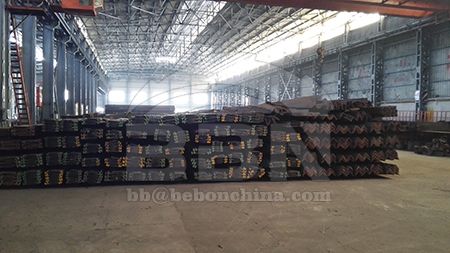
Bulb flat steel for shipbuilding
The bulb flat steel is a kind of medium section material which is mainly used in the field of shipbuilding and bridge building, and the shipbuilding bulb flat steel is an auxiliary medium section material for shipbuilding.
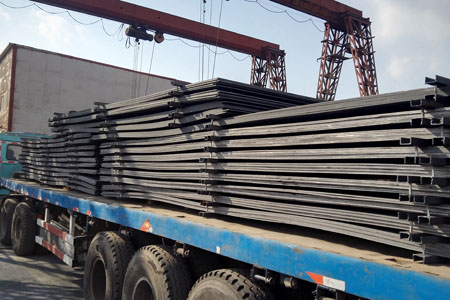
The steel for shipbuilding and oil platform---FH40, is the high tensile strength steel.The shipbuilding steel FH40 is the Hull structural steel.We can provide FH40 shipbuilding steel plate price.
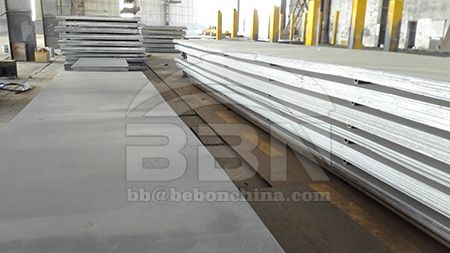
The steel for shipbuilding and oil platform---EH40, is the high tensile strength steel.The shipbuilding steel EH40 is the Hull structural steel.We can provide EH40 shipbuilding steel plate price.
If you are interested in our company or products, welcome to visit our company or local offices; you can also get contact with us through online consulting, demand table submission, e-mails and telephones. Our staff shall wholeheartedly provide product information, application knowledge and good service for you.


 BBN SHIP STEEL FACTORY