News Center
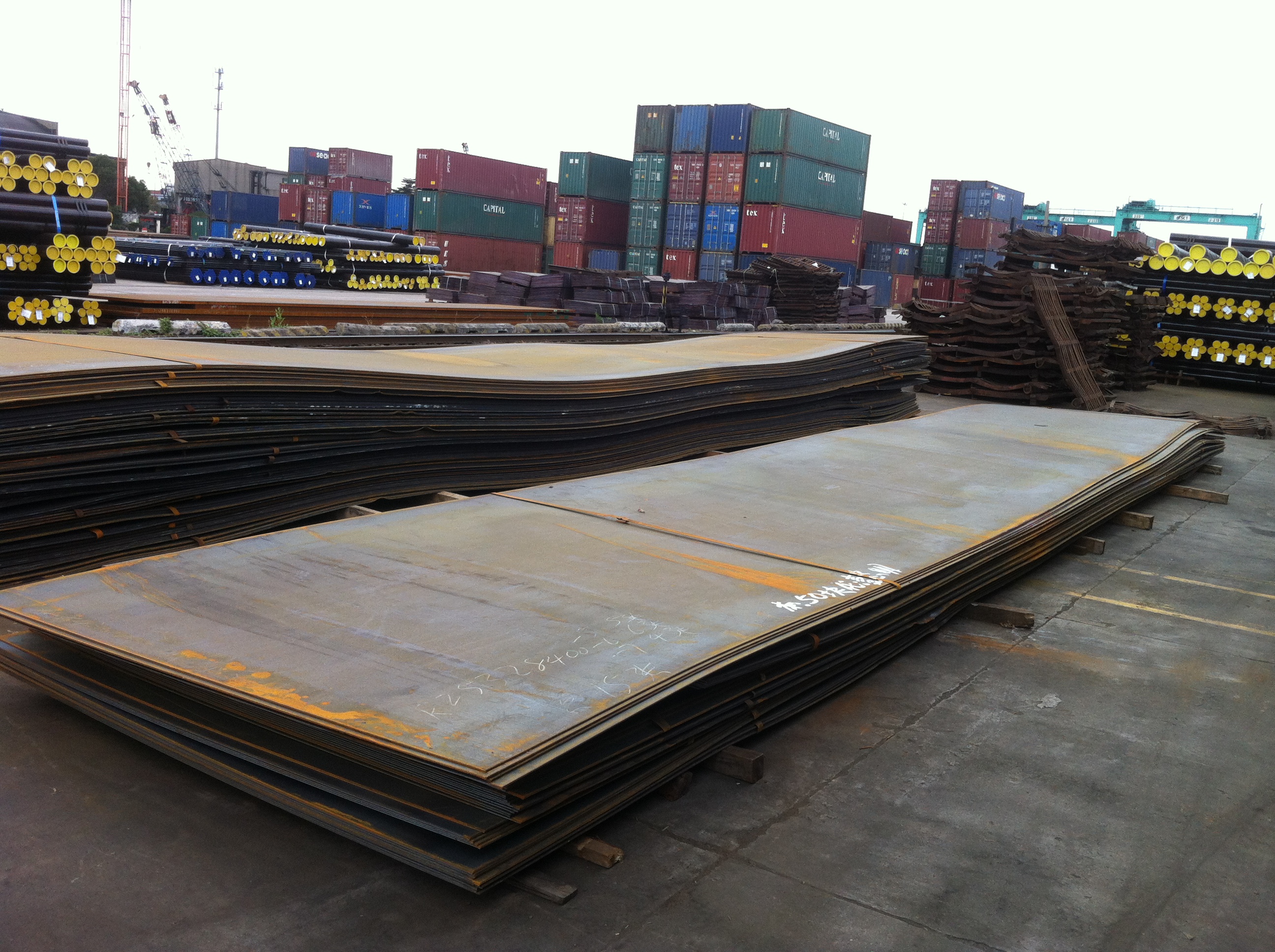
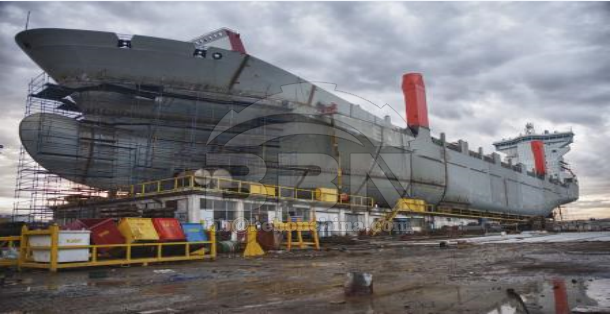
Container ships are among the most structurally demanding vessels in the maritime industry due to the enormous stacking loads of containers and the continuous dynamic forces generated by ocean travel. AH36 steel is widely used in these vessels because of its high strength, durability, and excellent fabrication characteristics.
In container ship construction, AH36 steel is commonly applied in hull plating, deck structures, hatch covers, and internal bulkheads. These components must collectively support vertical compression from stacked containers as well as lateral forces caused by wind and wave motion. The high yield strength of AH36 steel ensures that these structures maintain stability under extreme loading conditions without permanent deformation.
Another major advantage of AH36 steel is its high elongation capacity, which allows it to absorb dynamic stresses effectively. Container ships frequently experience uneven loading distribution, especially during cargo operations at ports. AH36 steel's ability to flex slightly under stress without cracking improves structural safety and reduces long-term fatigue damage.
Fatigue resistance is particularly important in container ship applications, as vessels operate continuously over long sea routes. AH36 steel demonstrates strong resistance to crack formation in high-stress zones such as hatch corners and deck openings, which are typically vulnerable areas in ship design.
From a production standpoint, AH36 steel supports efficient shipbuilding processes. Its excellent weldability enables large prefabricated sections to be assembled quickly, significantly reducing construction time in shipyards. This is especially important for container ships, where production efficiency directly impacts commercial competitiveness.
Additionally, AH36 steel complies with major international classification standards, ensuring that vessels meet strict safety and performance requirements set by organizations such as Lloyd's Register and ABS. This guarantees global operational acceptance and structural reliability.
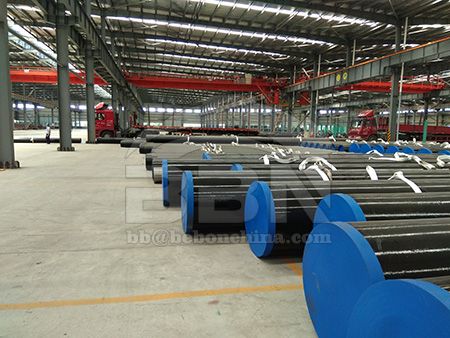
GB T 5312 Carbon and carbon-manganese steel seamless steel tubes and pipes are mainly for ship use, also known as shipbuilding steel pipes. Under GB T 5312, there are mainly 5 steel grades: grade 320, 360, 410, 460 and 490. Each grade covers three levels: I, II, III.
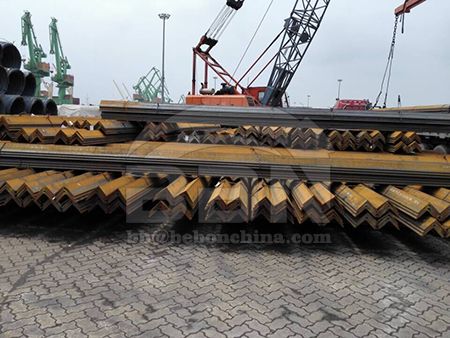
Angle steel, commonly known as angle iron, is a long strip of steel whose sides are perpendicular to each other. There are equal angle steels and unequal angle steels. The two sides of equal angle steel are equal in width. The unequal angle steel is also known as L shape profile steel.
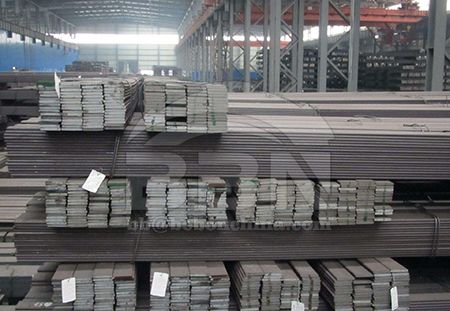
Flat bar steel can be produced according to the user's needs, with fixed thickness, width and length. It can reduce the cutting process for users, reduce the consumption of labor and materials, and also reduce the processing loss of raw materials.
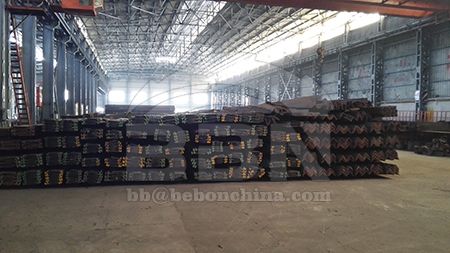
Bulb flat steel for shipbuilding
The bulb flat steel is a kind of medium section material which is mainly used in the field of shipbuilding and bridge building, and the shipbuilding bulb flat steel is an auxiliary medium section material for shipbuilding.
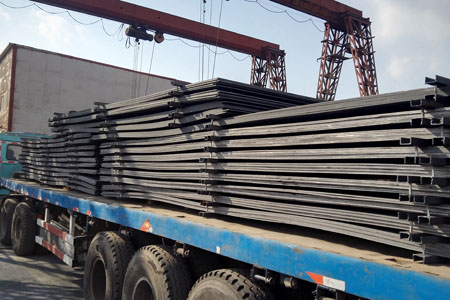
The steel for shipbuilding and oil platform---FH40, is the high tensile strength steel.The shipbuilding steel FH40 is the Hull structural steel.We can provide FH40 shipbuilding steel plate price.
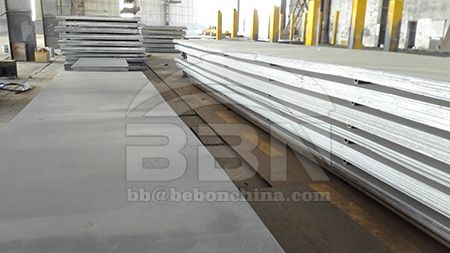
The steel for shipbuilding and oil platform---EH40, is the high tensile strength steel.The shipbuilding steel EH40 is the Hull structural steel.We can provide EH40 shipbuilding steel plate price.
If you are interested in our company or products, welcome to visit our company or local offices; you can also get contact with us through online consulting, demand table submission, e-mails and telephones. Our staff shall wholeheartedly provide product information, application knowledge and good service for you.


 BBN SHIP STEEL FACTORY