
News Center
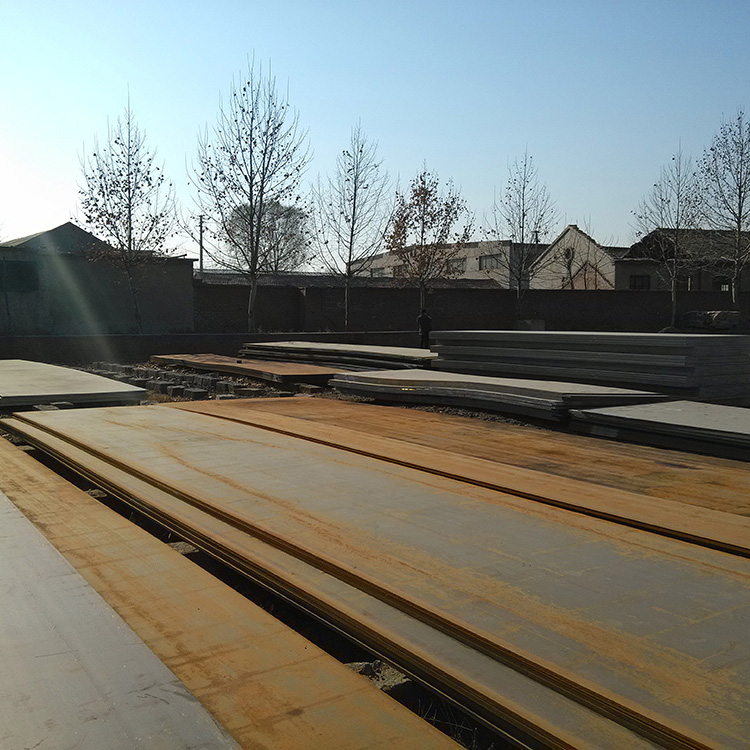
E36 steel should therefore be selected through a documented engineering process.
Read More+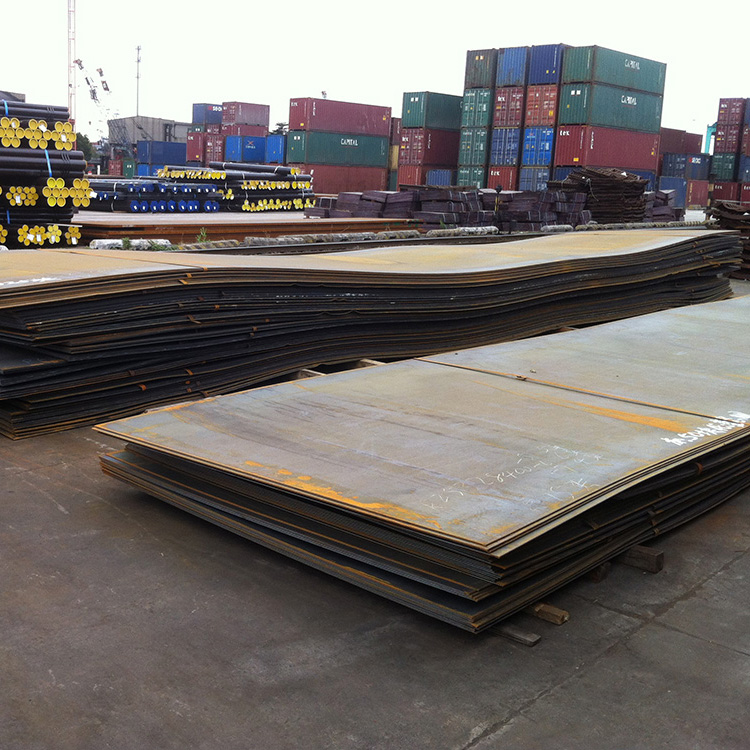
Effective E36 steel protection combines correct material identification, appropriate surface preparation, a compatible coating system, and planned maintenance.
Read More+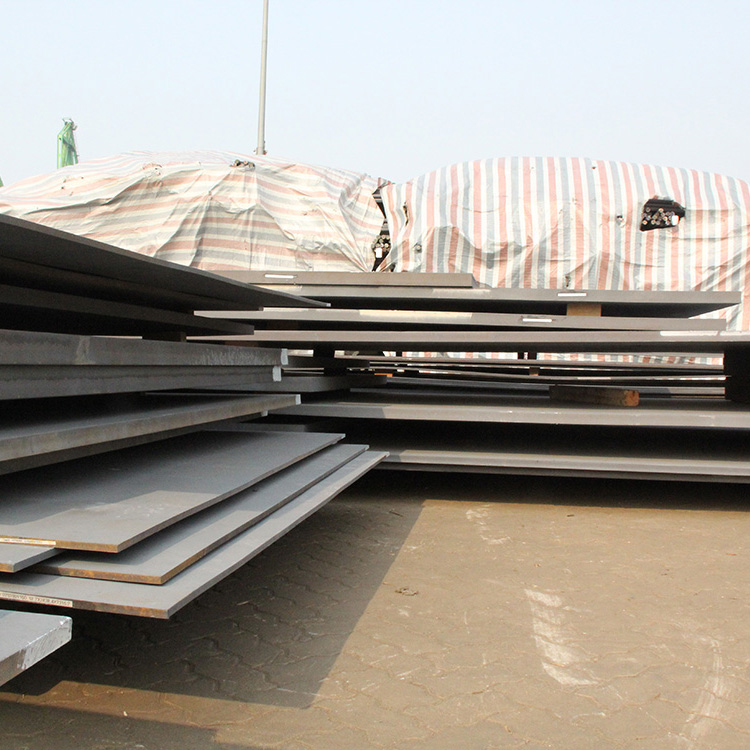
E36 steel can be evaluated for heavy machinery frames when its certified properties and processing requirements match the design specification.
Read More+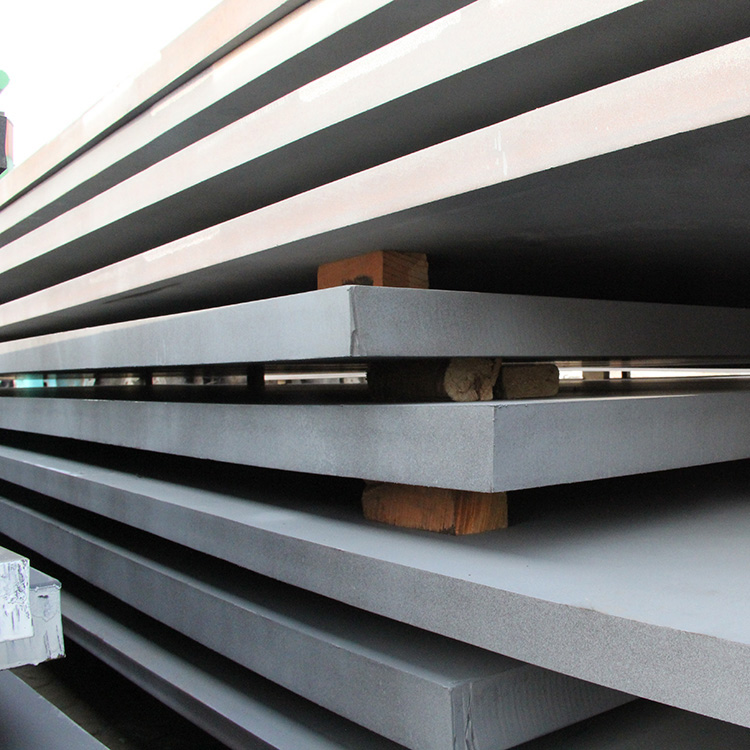
The processing of S275G steel plate is therefore not simply a matter of cutting and forming.
Read More+
This application-focused approach helps distinguish material suitability from general claims about performance. The final selection must be based on documented requirements and engineering approval rather than the grade designation alone.
Read More+
In shipbuilding and marine fabrication, S275G steel welding should follow an approved welding procedure supported by appropriate material documentation.
Read More+
The practical value of Grade A steel plate processing therefore extends beyond cutting speed or machining cost. Accurate dimensions, controlled forming, and effective inspection contribute to smoother production and more predictable assembly outcomes.
Read More+
For small cargo vessels and other conventional marine structures, Grade A steel can be a practical material choice when permitted by the applicable shipbuilding standards.
Read More+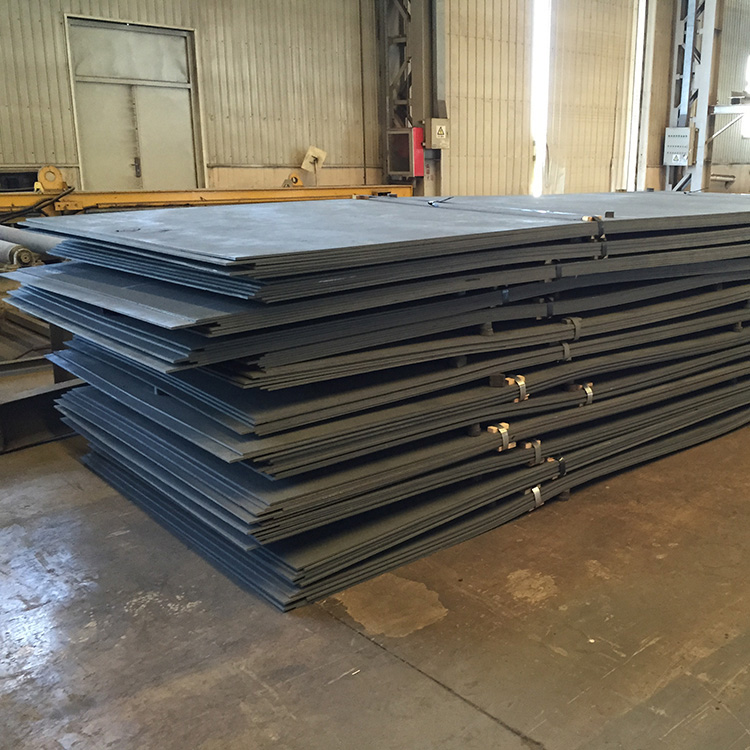
For shipyards, reliable Grade A steel welding depends on suitable consumables, qualified welding procedures, controlled assembly, and effective quality inspection.
Read More+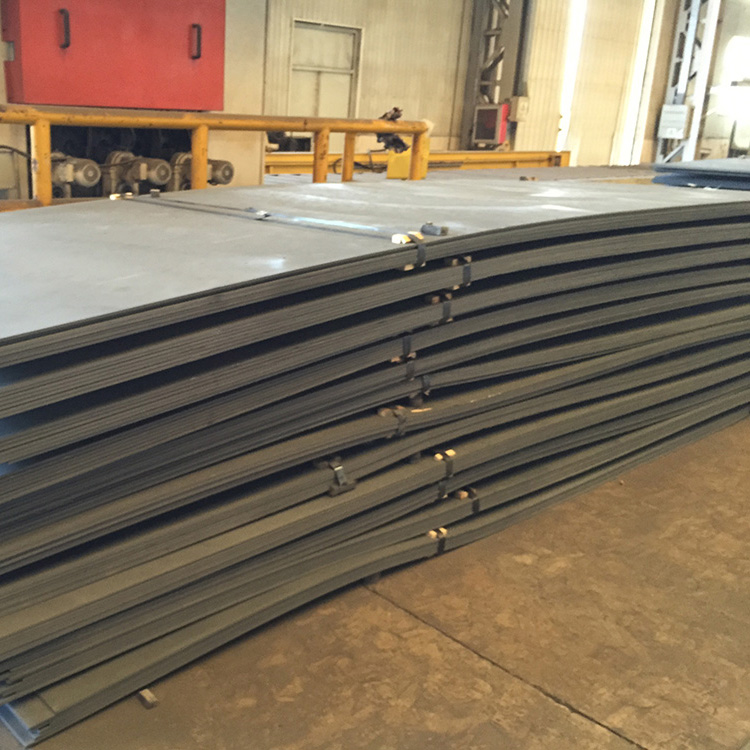
This application demonstrates how EH36 steel plate can be incorporated into vessels intended for demanding cold-region service. For ice-class projects, however, material selection must be considered together with the applicable ice class, classification r
Read More+ BBN SHIP STEEL FACTORY